 Call Us : 07971189246Call Us : 07971189246

 Send Inquiry
Concrete Culvert Pipe
Price 500 INR/ Piece
MOQ : 100 Pieces
Concrete Culvert Pipe Specification
- Flexibility
- Rigid
- Connection Type
- Push-fit joint
- Yield Strength
- As per IS 458:2003
- Bend Radius
- Not Flexible
- Diameter
- 600 mm
- Sealing Type
- Rubber Ring Sealed
- Tolerance
- 2 mm
- Temperature Range
- -10C to 50C
- Tensile Strength
- Minimum 3.5 MPa
- Coating Type
- No external coating
- Product Type
- Other
- Material
- Other
- Connection
- Spigot & Socket Joint
- Shape
- Cylindrical
- Standard
- IS 458:2003
- Surface Treatment
- Smooth Finish
- Outer Diameter
- 600 mm
- Section Shape
- Round
- Length
- 2.5 m
- Thickness
- 150 Millimeter (mm)
- Color
- Grey
- Usage
- Drainage, irrigation, culvert construction
- Rated Pressure
- 0.5 MPa
- Material Grade
- M40 Concrete
- Application
- Storm water drainage, Sewage systems, Embankment crossings
- Inner Surface Finish
- Smooth
- Reinforcement
- Mild Steel/High Tensile Steel
- Installation Method
- Buried/Trenched
- Life Expectancy
- 50 years + under normal conditions
- Load Class
- Class NP2 / NP3 / NP4 options
- Testing
- Hydrostatic and Load Testing as per standards
- Weight
- Varies by size (e.g., Approx. 300 kg for 600 mm dia, 1 m length)
- Resistance
- High Durability to Soil, Water, and Corrosive Agents
Concrete Culvert Pipe Trade Information
- Minimum Order Quantity
- 100 Pieces
- Payment Terms
- Cash Advance (CA)
- Delivery Time
- 7 Days
- Main Domestic Market
- Gujarat, Madhya Pradesh, Maharashtra, Rajasthan
About Concrete Culvert Pipe
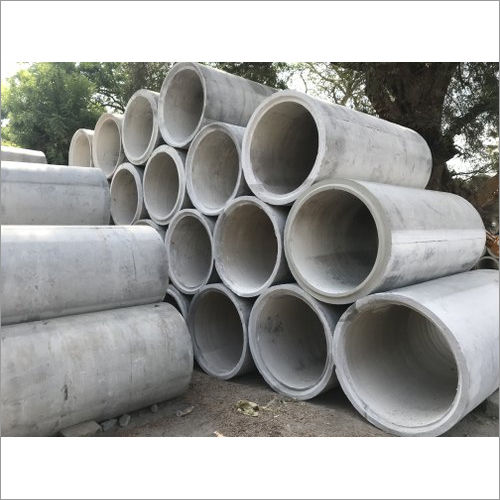
Assisted by a team of experts, we are offering an exclusive array of Concrete Culvert Pipe. This pipe can drain very huge amounts of water, can easily handle the flow of water. After being manufactured, a team of quality controllers check this Concrete Culvert Pipe on various quality parameters. This pipe is generally used in place of circular concrete pipe.
Engineered for Durability and Strength
Manufactured with M40 grade concrete and reinforced using mild steel wire mesh, this culvert pipe provides high tensile strength (minimum 3.5 MPa) and long-lasting performance. Its robust NP3 load class, coupled with resistance to cracks and most natural soil acids, ensures a lifespan exceeding 50 years under normal operating conditions, making it a resilient choice for demanding infrastructure projects.
Precision Installation and Reliable Jointing
Installation is straightforward, as the pipes are laid in trenches or open cuts with a push-fit spigot and socket joint system, sealed by a rubber ring. This method guarantees secure connections, minimal leakage, and accommodates slight misalignments, providing ease during handling on-site and ensuring the integrity of the drainage or irrigation system.
Versatile Applications Across Sectors
This concrete culvert pipe is ideal for storm water drainage, sewage transfer, embankment irrigation crossings, and other civil engineering projects. Complying with IS 458:2003 standards, its rigid, round construction and optimized dimensions serve the requirements of municipal, agricultural, and industrial sectors throughout India.
FAQ's of Concrete Culvert Pipe:
Q: How are these concrete culvert pipes installed in drainage or culvert projects?
A: The pipes are typically installed by laying them in trenches or open cuts. The spigot and socket joint, secured with a rubber gasket and push-fit connection, ensures quick assembly and a watertight seal. The smooth finish and cylindrical shape facilitate easy alignment during installation.Q: What applications are suitable for this NP3 class concrete culvert pipe?
A: These pipes are designed for use in storm water drainage, sewage systems, embankment crossings, and agricultural irrigation. Their robust construction and chemical resistance make them ideal for municipal and infrastructure projects across India.Q: When should rubber gasket jointing be used for culvert pipes?
A: Rubber gasket jointing is recommended for environments where a watertight connection is essential, such as drainage and sewage systems. It prevents leaks, accommodates minor pipe movement, and makes installation faster and more efficient.Q: Where can these culvert pipes be sourced, and who are the typical suppliers?
A: These NP3 concrete culvert pipes are available from manufacturers, suppliers, and wholesalers located throughout India, serving municipal authorities, construction contractors, and infrastructure developers.Q: What are the benefits of using mild steel wire mesh reinforcement in these pipes?
A: Mild steel wire mesh increases the pipe's tensile and structural strength, enhances crack resistance, and extends its service life, ensuring durability in demanding applications.Q: How does the product meet quality and durability standards?
A: The pipe complies with IS 458:2003, is tested for longitudinal crack resistance, and offers low water absorption (<5% by mass). Its durable M40 concrete and robust construction ensure a 50+ year lifespan under normal conditions.Q: What is the process for ensuring leak-free connections between pipe sections?
A: Each pipe features a spigot and socket joint design, paired with a rubber ring seal. During installation, pipes are push-fitted together, and the rubber ring provides a tight, leak-free connection that accommodates slight movement or ground settlement.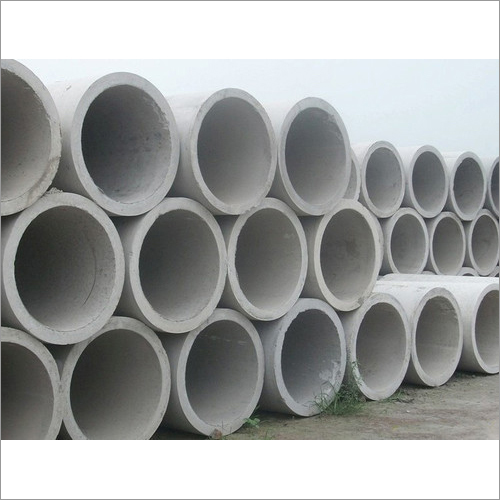
Tell us about your requirement

Price:
Quantity
Select Unit
- 50
- 100
- 200
- 250
- 500
- 1000+
Additional detail
Mobile number
Email

More Products in Concrete Pipes Category
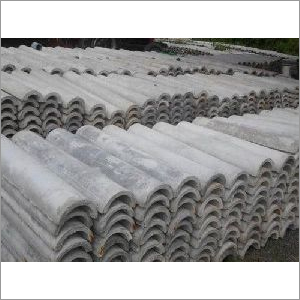
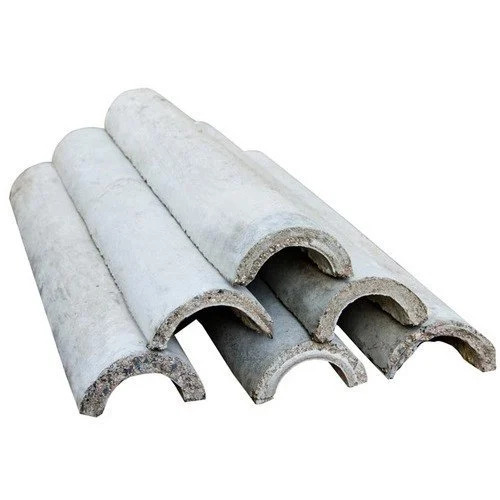
Concrete Half Round Pipes
Price 300 INR / Piece
Minimum Order Quantity : 100 Pieces
Material : Other
Shape : Other, Half Round
Color : Grey
Outer Diameter : 200 mm to 600 mm (custom sizes available)
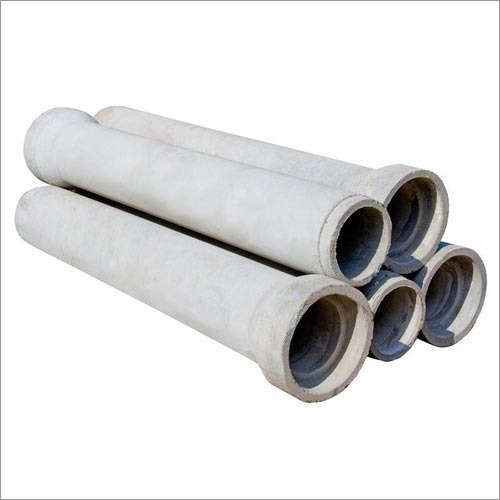
RCC Spigot Pipes
Price 500 INR / Piece
Minimum Order Quantity : 100 Pieces
Material : Other
Shape : Other, Cylindrical
Color : Grey
Outer Diameter : 100 mm to 1800 mm
Concrete Half Round Pipes
Price 82 INR / Piece
Minimum Order Quantity : 100 Pieces
Material : Other , Concrete
Shape : Other, Half Round
Color : Grey
Outer Diameter : 150 mm
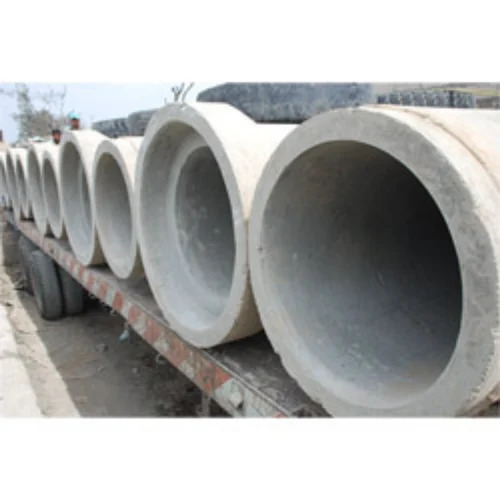
RCC 150 mm to 1800 mm Concrete Pipe
Price 160 INR / Meter
Minimum Order Quantity : 100
Material : Other , RCC
Shape : Round
Color : Grey
Outer Diameter : Up to 1800 mm

We deal only in bulk orders.
Address
GUJARAT SPUN PIPE FACTORY
GST : 24ADOPP3444L1Z5
GST : 24ADOPP3444L1Z5
- Village. - Dhokaliya, Sankheda Taluka, Vadodara District, National Highway 953, Bodeli - 391135, Gujarat, India
- Phone :07971189246
- Send Inquiry
- Mr. Jaymin V Patel (Manager)
Mobile : 09725109949 , 09825319883
 Send Inquiry
 Send Inquiry
 Send SMS
 |
GUJARAT SPUN PIPE FACTORY
All Rights Reserved.(Terms of Use) Developed and Managed by Infocom Network Private Limited. |
