 Call Us : 07971189246Call Us : 07971189246

 Send Inquiry
Concrete Spun Pipe
Price 500 INR/ Piece
MOQ : 100 Pieces
Concrete Spun Pipe Specification
- Tensile Strength
- >3 MPa
- Tolerance
- 5 mm
- Sealing Type
- Rubber Ring Sealing
- Diameter
- 150 mm to 1800 mm
- Coating Type
- Uncoated
- Connection Type
- Rubber Gasket Joint
- Bend Radius
- Not Flexible
- Flexibility
- Rigid
- Temperature Range
- -10C to +50C
- Product Type
- Spun Pipe
- Material
- Other
- Connection
- Spigot & Socket Joint
- Shape
- Cylindrical
- Standard
- IS 458:2003
- Surface Treatment
- Smooth Finish
- Outer Diameter
- 150 mm to 1800 mm
- Section Shape
- Round
- Length
- 2.5 m to 3 m
- Thickness
- 150 Millimeter (mm)
- Color
- Grey
- Usage
- Sewage, Drainage, Culvert, Irrigation
- Rated Pressure
- Up to 2.5 bar
- Material Grade
- M30 or as per IS specification
- Application
- Sewerage Systems, Storm Water Drainage, Water Transmission
- Fire Resistance
- Non-combustible material
- UV Resistance
- Yes
- Reinforcement Type
- Mild Steel Bars or Wire
- Maintenance
- Low
- Jointing Method
- Rubber ring or Cement Mortar
- Weight
- Varies by size (approx. 100 to 2500 kg)
- External Surface
- Roughened for better bedding
- Load Bearing Capacity
- Medium to Heavy Duty
- Installation Position
- Horizontal or Vertical
- Hydraulic Test Pressure
- Up to 1.5 MPa
- Internal Surface
- Smooth for reduced friction
Concrete Spun Pipe Trade Information
- Minimum Order Quantity
- 100 Pieces
- Payment Terms
- Cash Advance (CA)
- Delivery Time
- 7 Days
- Main Domestic Market
- All India
About Concrete Spun Pipe
Empowered by advance techniques, we are engaged in offering Concrete Spun Pipe. These pipes are completely reserved for manufacture in the SSI sector. Moreover, we are offering this spun pipe in different sizes in order to cater the variegated requirements of customers in a better way. This Concrete Spun Pipe can also be demanded for roadway culverts, tunnels, bridges, and underground detention systems.
Durable and Reliable Infrastructure Solutions
Our concrete spun pipes provide outstanding strength and longevity due to their high-quality reinforcement with mild steel or high tensile wire. Designed for demanding environments, these pipes ensure efficient sewage, drainage, and water transmission, accommodating diameters from 150 mm to 1800 mm. Their smooth finish and rigid cylindrical shape make them a trusted choice for infrastructure development across India.
Advanced Manufacturing for Consistent Quality
Produced using centrifugal spinning technology, our pipes achieve consistent density and structural integrity. Every unit is hydrostatically tested and conforms to IS 458:2003 standards, offering peace of mind to designers and contractors. The attention to jointing, finish, and tolerances enhances both performance and ease of installation, making these pipes ideal for diverse civil engineering applications.
FAQ's of Concrete Spun Pipe:
Q: How are concrete spun pipes manufactured using the centrifugal spinning process?
A: Concrete spun pipes are manufactured through centrifugal spinning (spun cast), where a concrete mix is poured into a rotating mold. The centrifugal force distributes and compacts the material evenly, resulting in a smooth inner surface and dense, robust pipe walls suitable for various load classes.Q: What types of applications are these pipes suitable for?
A: These pipes are ideal for sewerage systems, storm water drainage, culvert construction, irrigation, and water transmission. Their high strength, smooth flow surface, and rigid construction make them well-suited to handle the demands of both municipal and industrial projects.Q: When is it necessary to choose between light, medium, and heavy-duty classes?
A: The selection between light, medium, and heavy-duty classes depends on the intended application and load requirements. Light-duty pipes are suitable for small drains and low-traffic areas, while medium and heavy-duty options are recommended for applications with higher loads or greater depth, such as main sewers and culverts.Q: Where can these concrete spun pipes be utilized effectively?
A: These pipes are widely used across India in infrastructure development projects, including urban sewerage and drainage, highway and railway culverts, as well as agricultural irrigation systems, thanks to their reliability and compliance with Indian standards.Q: What benefits does the smooth internal surface provide?
A: The smooth inner surface of these pipes reduces friction, enabling improved flow rates of water or sewage. This aids in preventing the build-up of debris and minimizes the risk of blockages, ensuring long-term efficiency of drainage or sewerage systems.Q: How is leak-proof jointing achieved in these pipes?
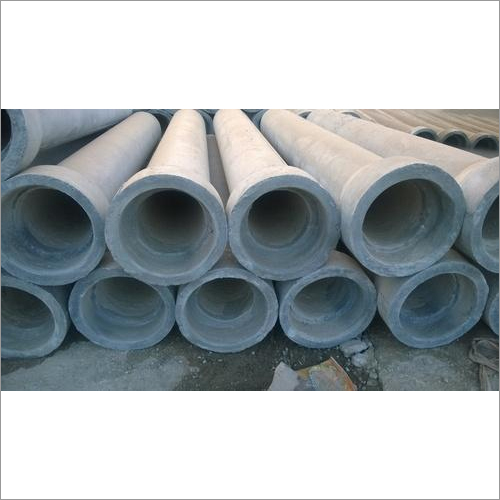
A: Jointing is accomplished using a spigot and socket system, with or without a steel collar. Rubber gasket rings provide robust sealing, making the connection water-tight and reducing the risk of leakage under pressure.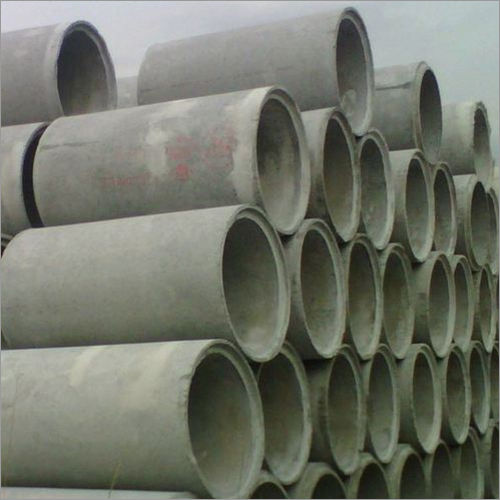
Tell us about your requirement

Price:
Quantity
Select Unit
- 50
- 100
- 200
- 250
- 500
- 1000+
Additional detail
Mobile number
Email

More Products in Concrete Pipes Category
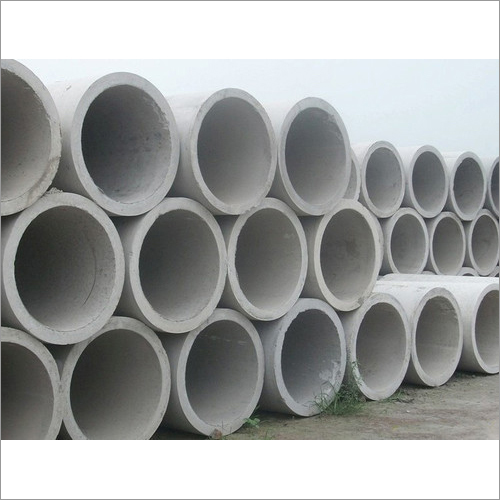
Concrete Culvert Pipe
Price 500 INR / Piece
Minimum Order Quantity : 100 Pieces
Material : Other
Color : Grey
Product Type : Other
Thickness : 150 Millimeter (mm)
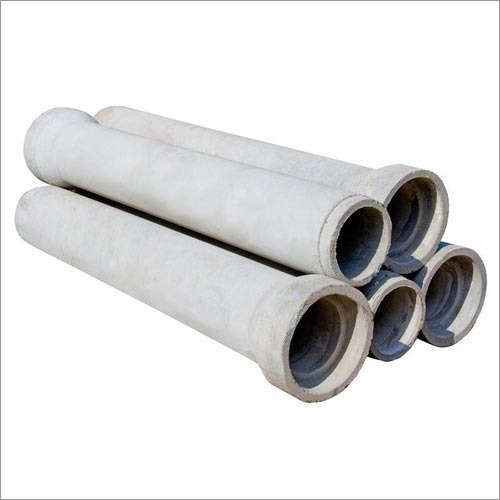
RCC Spigot Pipes
Price 500 INR / Piece
Minimum Order Quantity : 100 Pieces
Material : Other
Color : Grey
Product Type : Other, RCC Spigot Pipe
Thickness : 150 Millimeter (mm)
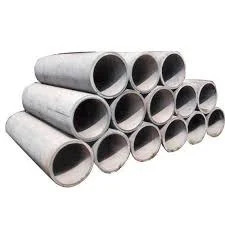
Concrete Spun Pipe
Price 350 INR / Meter
Minimum Order Quantity : 50
Material : Other , rcc
Color : grey
Product Type : Other, rcc pipe /spun pipe /hume pipe
Thickness : varies by diameter
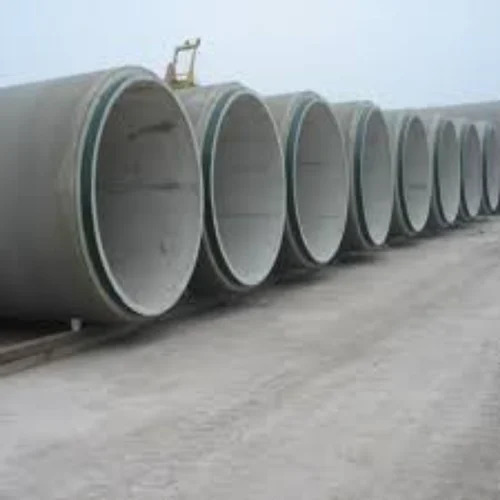
Concrete Hume Pipes
Price 160 INR / Meter
Minimum Order Quantity : 100
Material : Other , rcc
Color : grey
Product Type : Other, rcc hume pipe

We deal only in bulk orders.
Address
GUJARAT SPUN PIPE FACTORY
GST : 24ADOPP3444L1Z5
GST : 24ADOPP3444L1Z5
- Village. - Dhokaliya, Sankheda Taluka, Vadodara District, National Highway 953, Bodeli - 391135, Gujarat, India
- Phone :07971189246
- Send Inquiry
- Mr. Jaymin V Patel (Manager)
Mobile : 09725109949 , 09825319883
 Send Inquiry
 Send Inquiry
 Send SMS
 |
GUJARAT SPUN PIPE FACTORY
All Rights Reserved.(Terms of Use) Developed and Managed by Infocom Network Private Limited. |
