 Call Us : 07971189246Call Us : 07971189246

 Send Inquiry
RCC Spigot Pipes
Price 500 INR/ Piece
MOQ : 100 Pieces
RCC Spigot Pipes Specification
- Tolerance
- 2 mm
- Coating Type
- No coating or as per client requirement
- Bend Radius
- Not bendable
- Diameter
- 100 mm to 1800 mm
- Temperature Range
- -10C to 60C
- Sealing Type
- Rubber Gasket/Collar Joint
- Connection Type
- Spigot & Socket
- Flexibility
- Rigid
- Tensile Strength
- Minimum 2.5 to 3.5 MPa (as per grade)
- Product Type
- RCC Spigot Pipe
- Material
- Other
- Connection
- Spigot & Socket Joint
- Shape
- Cylindrical
- Standard
- IS 458:2003 or as per IS specifications
- Surface Treatment
- Smooth Finished
- Outer Diameter
- 100 mm to 1800 mm
- Section Shape
- Round
- Length
- 2 m to 2.5 m (customized on request)
- Thickness
- 150 Millimeter (mm)
- Color
- Grey
- Usage
- Underground drainage, sewerage, irrigation, culverts
- Rated Pressure
- 0.5 to 2.5 bar
- Application
- Water supply, drainage, sewer systems
- Material Grade
- M30/M40 as per IS 458:2003
- Installation Method
- Trenching and Bedding
- Joint Type
- Spigot & Socket with Rubber Ring or Collar
- Handling
- By mechanical/manual means using lifting belts or hooks
- Corrosion Resistance
- High (due to dense concrete)
- Leak Resistance
- Tested as per IS 458:2003
- Class
- NP2, NP3, NP4
- Hydraulic Test Pressure
- As per IS 458
- Compatibility
- Can be integrated with RCC Manhole and Chamber systems
- Reinforcement Material
- Mild Steel or High Tensile Steel Wire Mesh
- Lifespan
- More than 50 years under standard conditions
- Weight
- Varies with diameter and class
- End Type
- Spigot
RCC Spigot Pipes Trade Information
- Minimum Order Quantity
- 100 Pieces
- Payment Terms
- Cash Advance (CA)
- Delivery Time
- 7 Days
- Main Domestic Market
- All India
About RCC Spigot Pipes
We are getting huge appreciation from our clients for offering RCC Spigot Pipes. These pipes find usage from water wells, Underground Drainage to cold storage industries. Our provided RCC Spigot Pipes are available in a variety of sizes in order to fulfil the varied needs of the customers. Moreover, our pipes are basically made from cement, coarse and fine aggregate, sand, mild steel and HT rods and bars.
Manufacturing Excellence and Compliance
Our RCC Spigot Pipes are produced using centrifugally cast, revolving mould, manual, or vertical vibration casting methods as per IS 458, ensuring uniform wall thickness, high density, and lasting performance. Every pipe undergoes rigorous hydraulic pressure and water absorption tests to confirm top-quality standards, making them ideal for critical infrastructure projects.
Superior Design for Optimal Performance
Constructed with high-grade concrete and reinforced with mild steel bars or HT wire as per engineering specifications, these pipes are designed to handle a variety of loads from light to heavy duty. Their smooth inner surface ensures low friction losses, optimizing fluid flow in water supply, drainage, and sewer systems.
Versatile Application and Enduring Service Life
Available in a wide range of diameters and lengths, RCC Spigot Pipes cater to underground drainage, sewerage, irrigation, and water supply needs. Their robust construction and chemical resistance deliver over 50 years of reliable service under ideal conditions, making them a practical choice for diverse environments.
FAQ's of RCC Spigot Pipes:
Q: How are RCC Spigot Pipes manufactured to meet IS 458 standards?
A: RCC Spigot Pipes are manufactured using methods such as centrifugally cast, revolving mould, manual, or vertical vibration casting. Each process ensures compliance with IS 458:2003, producing pipes with smooth inner surfaces, consistent strength, and precise tolerances.Q: What applications are suitable for these pipes?
A: These pipes are ideal for underground drainage, sewerage, irrigation systems, culverts, and water supply lines, owing to their strength, chemical resistance, and ability to maintain a smooth flow profile.Q: What benefits does the smooth inner surface provide?
A: A smooth inner surface finish minimizes friction loss, resulting in efficient flow of liquids, reduced energy consumption for pumping, and longer operational life with less potential for blockages.Q: When should rubber gaskets or sealants be used for jointing?
A: Rubber gaskets or sealants (collar joints) should be used as per IS 5382 whenever a watertight connection between spigot and socket joints is required to prevent leakage in underground installations.Q: Where are RCC Spigot Pipes typically installed?
A: They are primarily installed horizontally and in-ground in residential, commercial, and municipal settings for water conveyance, sewerage, or stormwater drainage, following the minimum cover and installation guidelines of IS 783.Q: What is the tested hydraulic pressure for these pipes?
A: Each pipe undergoes hydraulic testing at a pressure twice its rated working pressure, ensuring reliability and safety under actual operating conditions.Q: What is the expected service life of these pipes under ideal conditions?
A: When installed as per recommended practices and standards, RCC Spigot Pipes have a life expectancy of over 50 years, thanks to robust design, durable materials, and resistance to soil chemicals.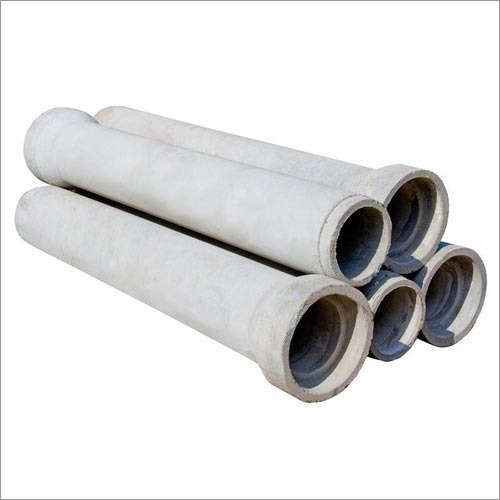
Tell us about your requirement

Price:
Quantity
Select Unit
- 50
- 100
- 200
- 250
- 500
- 1000+
Additional detail
Mobile number
Email

More Products in Concrete Pipes Category
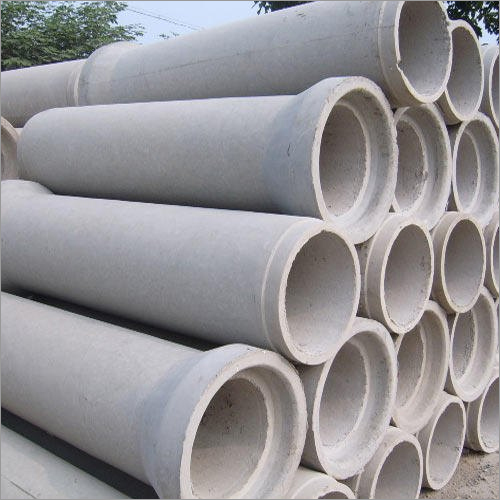
RCC Spun Pipes
Price 15000 INR / Piece
Minimum Order Quantity : 10 Pieces
Material : Other
Product Type : Other
Color : Grey
Shape : Other, Cylindrical
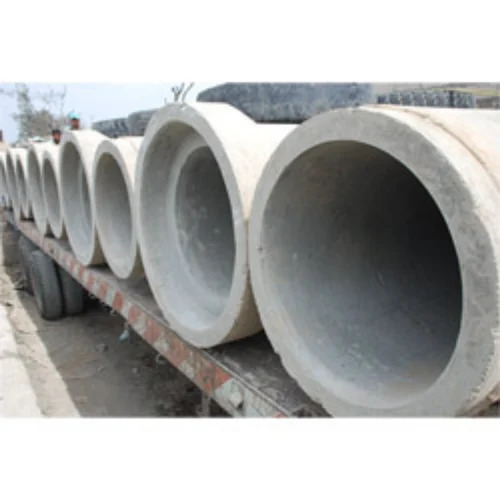
RCC 150 mm to 1800 mm Concrete Pipe
Price 160 INR / Meter
Minimum Order Quantity : 100
Material : Other , RCC
Product Type : Other, RCC Hume pipe
Color : Grey
Shape : Round
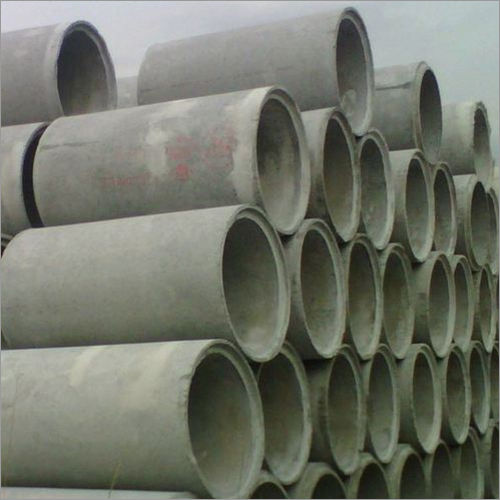
Concrete Spun Pipe
Price 500 INR / Piece
Minimum Order Quantity : 100 Pieces
Material : Other
Product Type : Other, Spun Pipe
Color : Grey
Shape : Other, Cylindrical
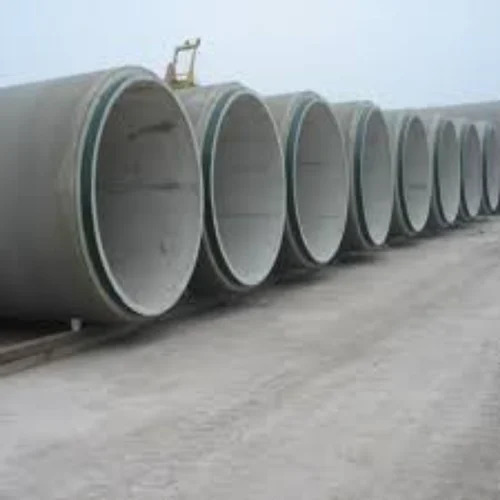
Concrete Hume Pipes
Price 160 INR / Meter
Minimum Order Quantity : 100
Material : Other , rcc
Product Type : Other, rcc hume pipe
Color : grey
Shape : Round

We deal only in bulk orders.
Address
GUJARAT SPUN PIPE FACTORY
GST : 24ADOPP3444L1Z5
GST : 24ADOPP3444L1Z5
- Village. - Dhokaliya, Sankheda Taluka, Vadodara District, National Highway 953, Bodeli - 391135, Gujarat, India
- Phone :07971189246
- Send Inquiry
- Mr. Jaymin V Patel (Manager)
Mobile : 09725109949 , 09825319883
 Send Inquiry
 Send Inquiry
 Send SMS
 |
GUJARAT SPUN PIPE FACTORY
All Rights Reserved.(Terms of Use) Developed and Managed by Infocom Network Private Limited. |
